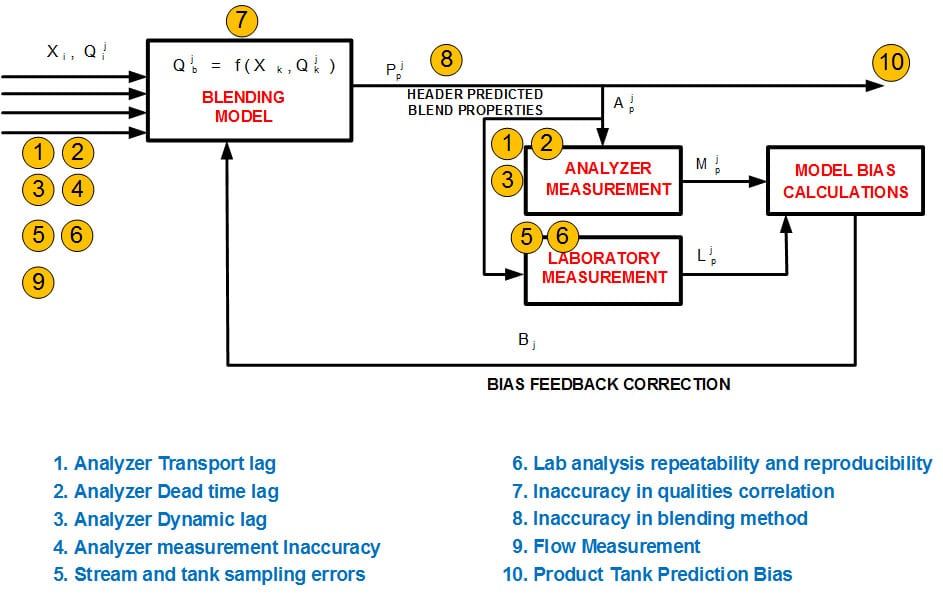
Fuels blending is a very complex process in concept, mathematics and systems integration. There are many sources of inherent sources of errors in the blending system. They could be in flow measurements, blending models, qualities, analyzers, laboratory and predictions to name a few. This free webinar discusses all these errors with respect to their origins, how to estimate them and minimize if possible. Optimization and reconciliation of blend models parameters will also be discussed briefly.
July 23, 2015
Refining industry uses linear/non-linear programming principles and technology to implement many control and optimization systems. They could be for a distillation tower, crude blending, fuels blending, planning and scheduling, product distribution, etc. just to name applications. This free webinar would discuss and illustrate the mathematics behind few LP/NLP applications and demonstrate their implementation using commercial software.
September 3, 2015
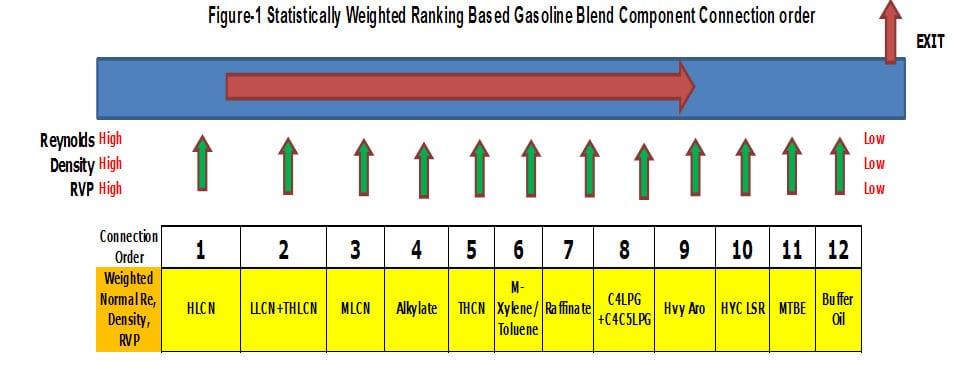
In an in-line fuels blending system, blend header is a collector of all incoming blending components and it serves the purpose of through mixing of all components. At first, it seems simply a piece of pipe, but in detailed analysis it requires lots of design consideration from component connecting order, connection points, flow regime, pressure drop, booster pump requirement etc. This webinar gives an overview of all design consideration for blend header and takes myth out of “Blend header is just a piece of pipe”.
June 18, 2015
In today’s global economy of fluctuating crude oil prices, the worldwide refining industry is struggling. Costs are rising while refining volumes are decreasing. High fuel prices in recent years have reduced the global use, resulting in an oversupply of reserves. As a result, the volumes of crude oil being refined have decreased. For countries with government controlled fuel and crude oil prices, the diminished refining volumes become a critical issue.
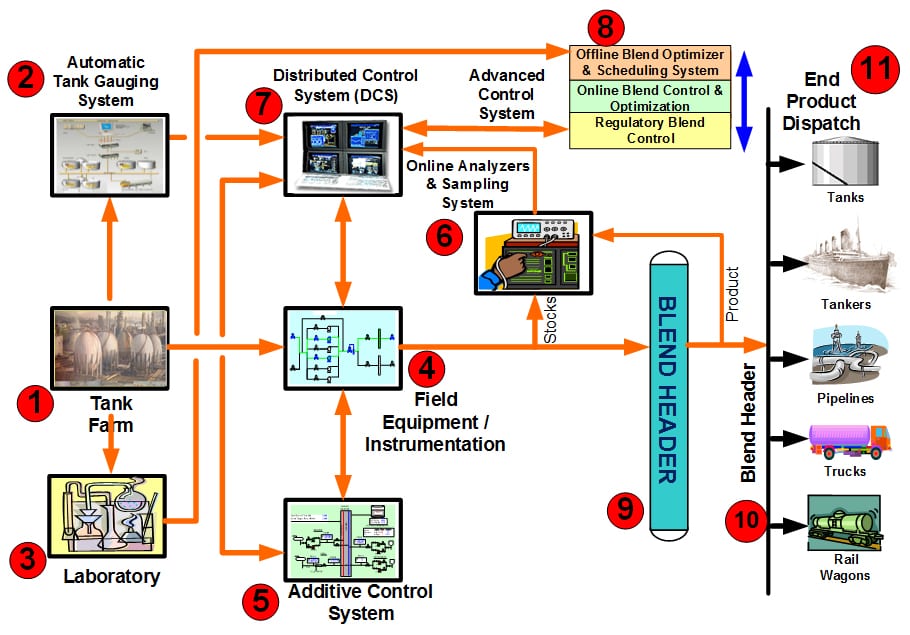
The information imparted during this webinar will affirm the existing knowledge and increase learning and comprehension of fuel blending systems, thereby contributing toward efficient and economic management. The seminar will cover all technical, operational, modeling, and economical aspects of fuels blending control and optimization systems.
May 21, 2015
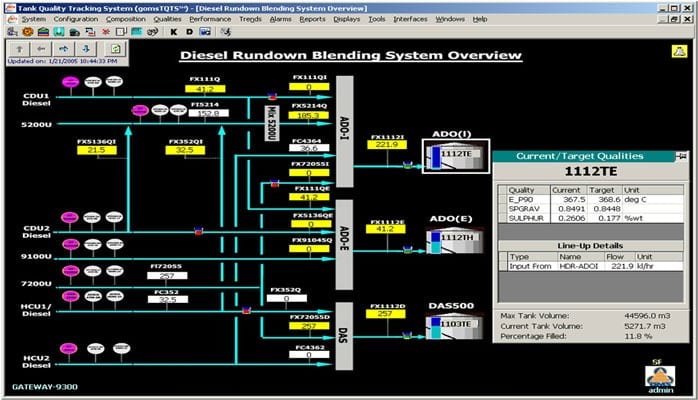
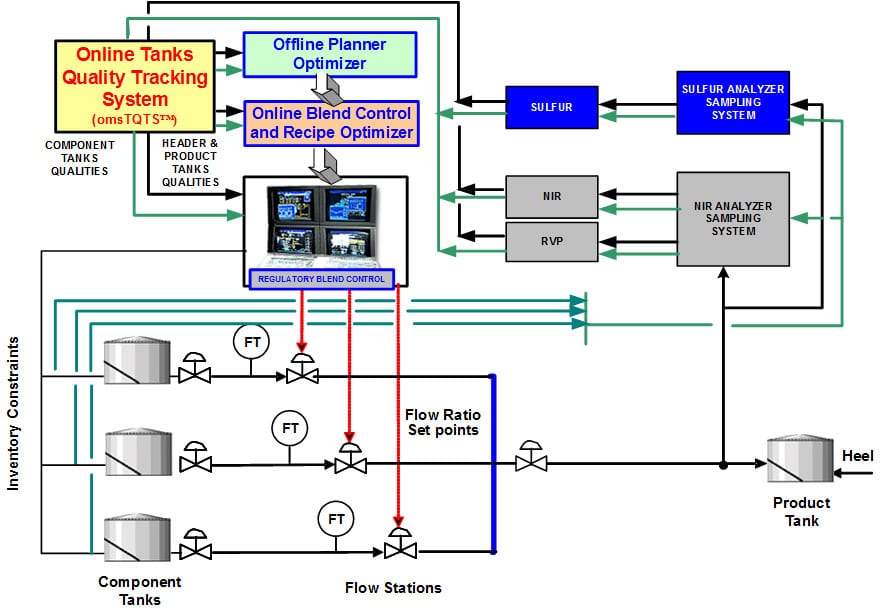
A typical refinery tank farm has 100-300+ tanks to store both feed stocks and final products. The analyses of 15+ qualities of each of these tanks are required by refinery operations and activities such process units control and optimization system, refinery wide planning and scheduling system, Offline and online blend optimizes, final product certifications before dispatch to the customers.
The traditional method of analyzing these tank qualities is to take infrequent samples and analyze them in the lab. This methodology is expensive, manpower intensive, time consuming and furthermore it delays the manufacturing processes due to lengthy analysis procedures. The information imparted during this webinar will discuss a model based online tanks quality tracking system how its implementation can save millions of dollars in the lab operational cost. It will also discuss the benefits of 2M$+/year realized by a refinery in Singapore by its implementation for run-down open loop diesel, Jet Fuels and Kerosene Fuels blending systems.
April 23, 2015
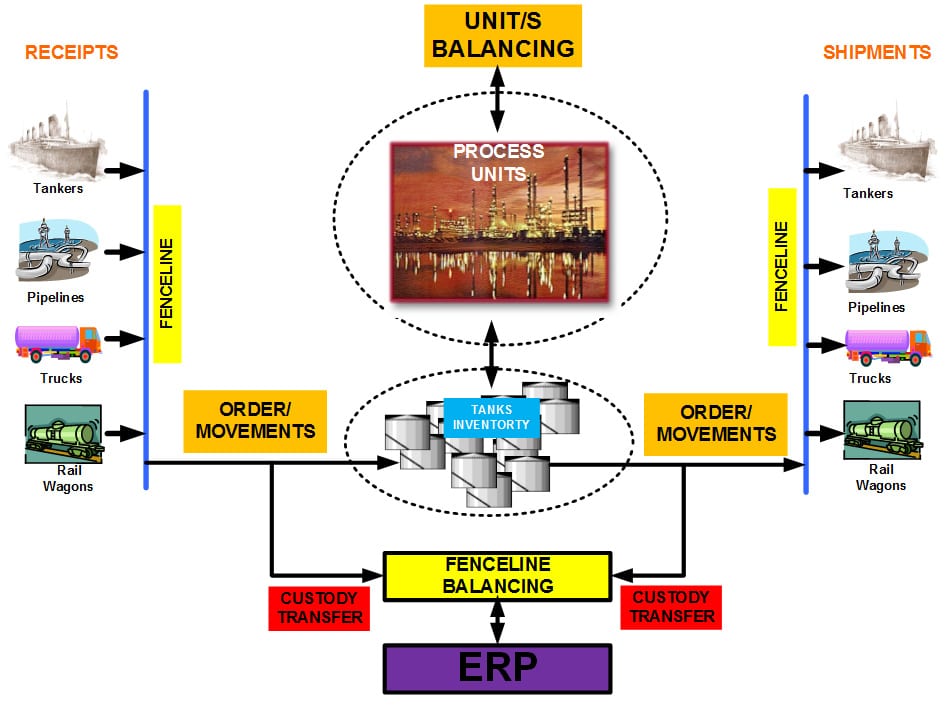
The term Hydrocarbon management or mass reconciliation or oil loss all mean to the balancing of the input and output of a refinery. The typical best run refineries average imbalance is between 0.35-0.55% of refinery crude throughput and this translates into yearly loss of 35-60M$ for a 300KBD refinery with crude price of $100/bl. This loss does not even account for loss due to demurrage, data inconsistencies in custody transfer data, etc. This is huge incentive for not so efficient refineries, at least it should be, to manage its assets efficiently, streamline the accounting procedures, calibrate its meters, etc.
This webinar discusses the concept of HM landscape in a refinery, process of reconciliation, asset management systems (Tanks, oil movement, custody transfer, vendor/customer management (ERP), etc.) and relates them with element of the accounting process.
January 21, 2015