Table of Contents
The refining industry is changing fast. With automation in refining, AI, and digital twin technologies gaining traction, operations are becoming more efficient, cost-effective, and data-driven. But along with these advancements comes a major challenge: the growing refining skills gap. As new tools and technologies redefine workflows, there’s an urgent need for targeted training and upskilling in the refining industry to ensure professionals and organizations can keep pace and remain competitive.
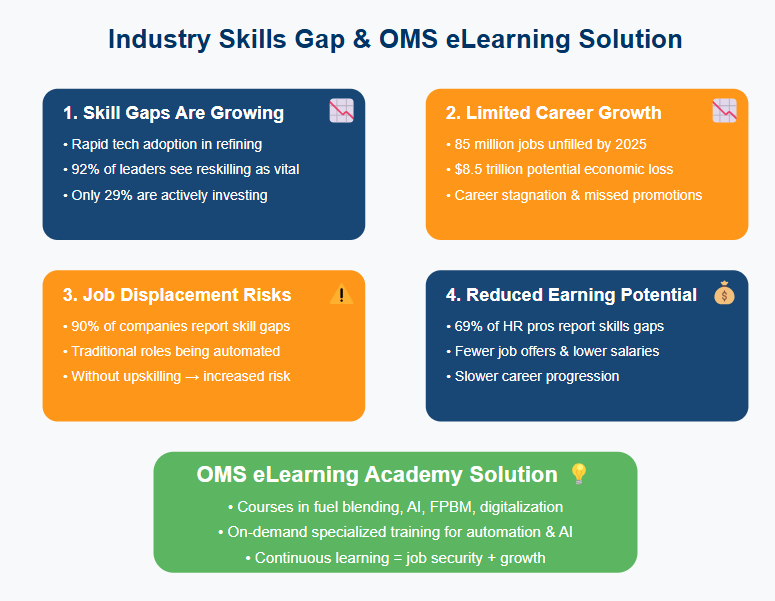
A recent survey by Ernst & Young found that while over 92% of energy leaders see reskilling as a competitive edge, only 29% are investing in it. This gap is not just a concern; it’s a pressing issue. Without the right skills, professionals risk falling behind, and companies may struggle with inefficiencies, stalled innovation, and lost market share. The time to act is now.
It’s not just about learning new tools—it’s about building a workforce that can work across disciplines, adapt to change, and embrace the industry’s evolving nature. That’s a tall order in a field traditionally built on legacy systems and well-established routines.
OMS eLearning Academy is a key player in addressing these challenges. Built specifically for the downstream refining sector, OMS offers flexible, high-quality online courses designed to meet the industry’s actual needs. The Academy makes continuous learning more accessible, practical, and aligned with companies’ needs — from core technical skills to emerging technologies. It’s not just about learning new tools; it’s about building a workforce that can adapt to change and embrace the industry’s evolving nature.
With its focus on Empowerment and Access, OMS isn’t just delivering training—it’s helping shape a more future-ready workforce for refining. Whether you’re a company looking to stay competitive or a professional aiming to stay relevant, now’s the time to upskill and move forward.
Why the Refining Skills Gap Is a Growing Concern
Automation in Refining Is Redefining Job Roles
The refining industry is moving fast, and professionals who aren’t keeping their technical and digital skills up to date are starting to feel the impact. As operations become more data-driven and automated, traditional work methods no longer cut it.
According to Edstellar, by 2026, an estimated 85 million jobs could go unfilled due to skill gaps, potentially costing the global economy $8.5 trillion. In refining, that translates to real risks—from career stagnation to missed promotions and even job displacement. The message is clear: the time to upskill is now, especially as technologies like AI, automation, and digital twins take center stage.
We’re already seeing it: Outdated process control methods, limited data analysis skills, and a lack of familiarity with emerging tools are holding professionals back.
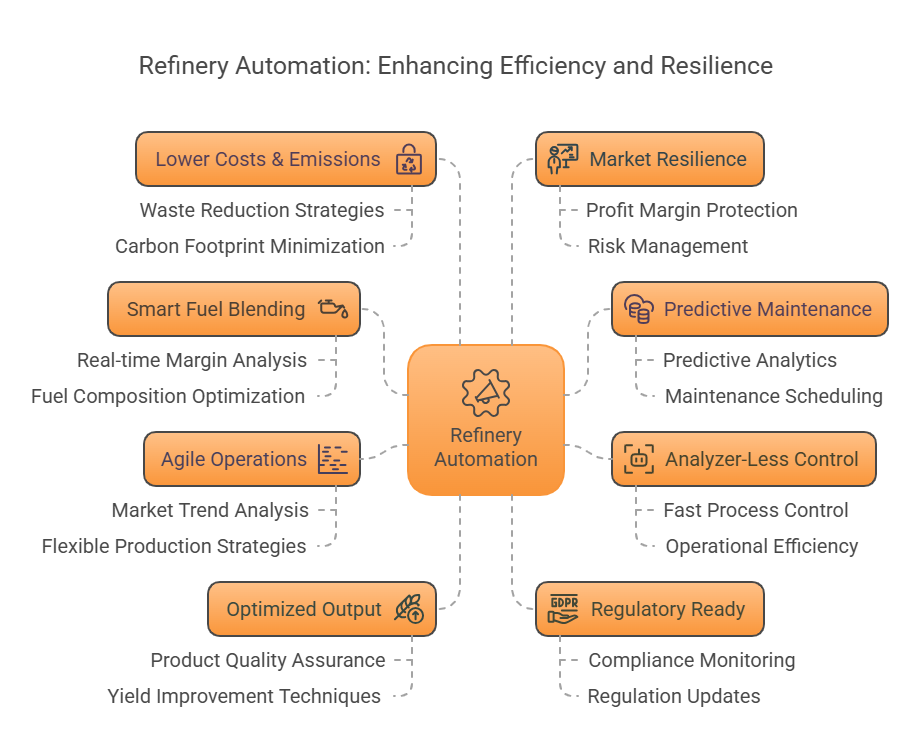
That’s why OMS eLearning Academy is stepping in. We’re helping the downstream refining sector close these gaps with targeted, flexible, and industry-specific training. Our courses are designed around the real-world skills companies need — fuel-blending optimization, AI-powered decision-making, analyzer-less process automation (FPBM), and hybrid model digitalization.
With customizable learning paths and anytime access, OMS makes it easy for professionals and teams to upskill on their terms — and stay ahead as the industry continues to evolve.
The message is clear: evolve with the industry—or be left behind.
AI and Digital Twin Technologies Require New Skills
AI and automation are changing the game in the energy industry — and fast. Traditional roles are evolving, and advanced systems now handle many tasks that once defined refinery operations. According to a McKinsey survey, nearly 90% of companies already deal with skill gaps or expect to face them in the next few years. For professionals, that means one thing: adapt or risk being left behind.
At OMS eLearning Academy, we’re helping refining and downstream professionals stay ahead of the curve. Our on-demand, industry-specific courses are designed to build the skills that matter most right now, including:
- FPBM hybrid modeling
- AI-driven process optimization
- Automation and digitalization technologies
Whether you’re looking to grow in your role or prepare for what’s next, OMS offers flexible, high-impact training built for the realities of modern refinery operations. It’s all about staying competitive, staying relevant — and staying ready. The industry is moving fast, and it’s up to you to keep up.
Explore the courses at www.oms-eLearning-academy.com and start learning today.
The Need for Targeted Training and Continuous Upskilling
As automation, AI, and globalization continue to reshape today’s workforce, professionals with outdated skills find it harder to stay competitive. Forbes reports that 69% of HR professionals now say their organizations face a skills gap—a significant jump from 55% just a few years ago.
For individuals, this gap can mean fewer job opportunities, lower salaries, and being passed over for promotions. Industries like tech, manufacturing, and energy are evolving fast, and those who don’t keep up risk falling behind.
The takeaway? In today’s landscape, staying current with technical and soft skills isn’t just a nice-to-have—it’s essential for long-term career growth and security.
How the Refining Skills Gap Affects Workforce Readiness
Career Stagnation Due to Outdated Technical Skills
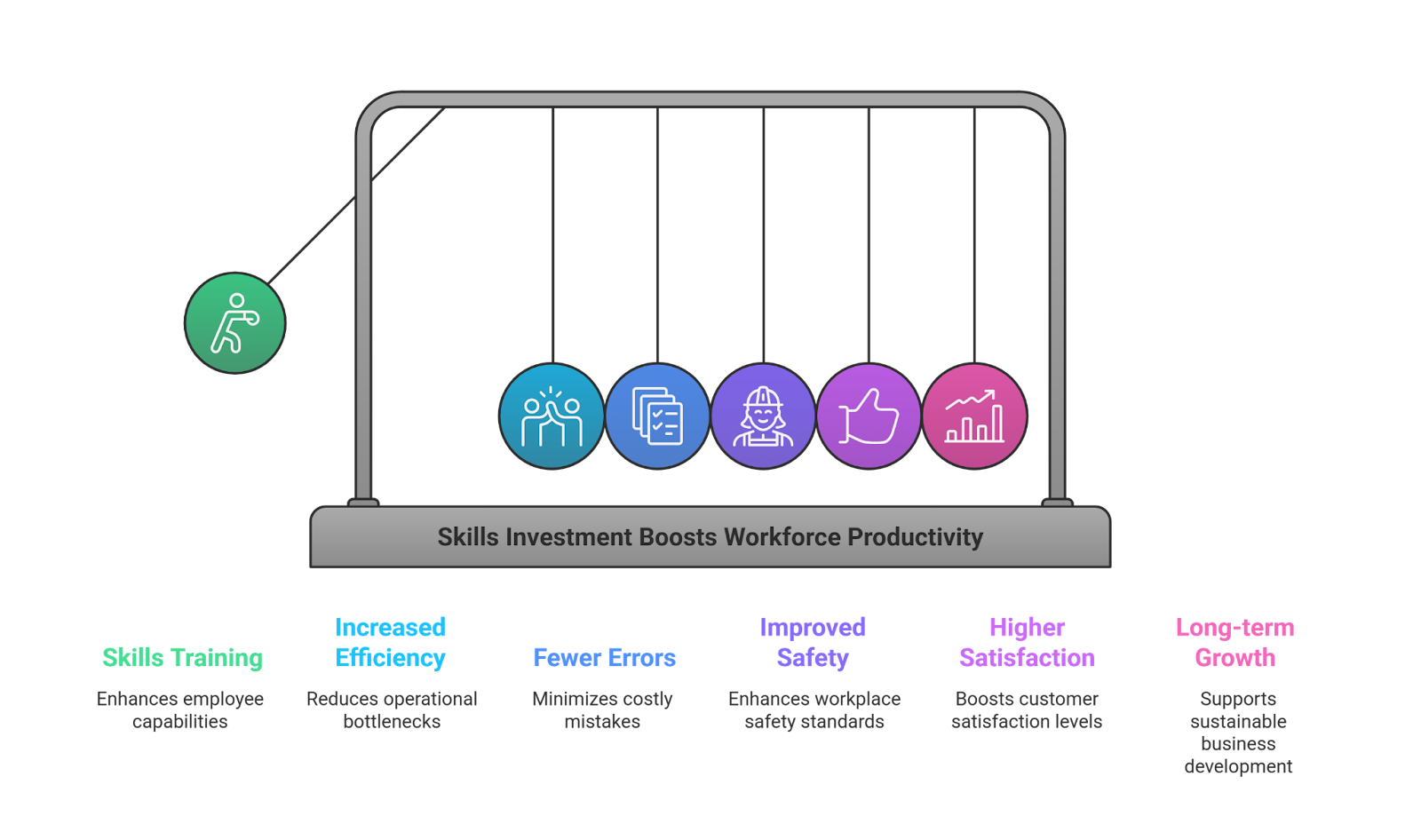
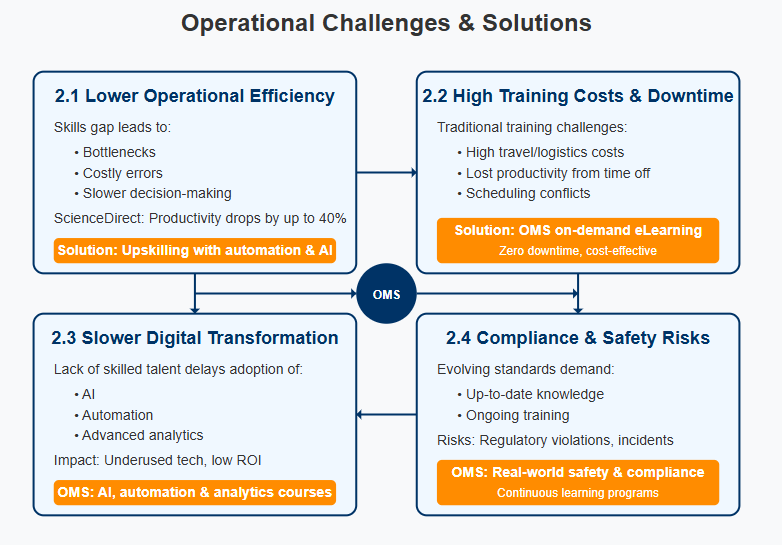
In today’s Industry 4.0 environment, lacking skilled talent isn’t just a workforce challenge—it’s a real threat to productivity and performance. ScienceDirect reports that companies facing significant skills gaps can see productivity drop by as much as 40%, thanks to inefficiencies, costly errors, and project delays.
As automation, AI, and digital tools become standard, employees not equipped to work with these technologies often slow operations, create bottlenecks, and increase the risk of mistakes in high-stakes industries like refining and manufacturing that can directly impact safety, timelines, and customer satisfaction.
To stay competitive, companies must prioritize reskilling and upskilling efforts that align workforce capabilities with emerging technologies. Empowering employees with the right skills minimizes errors, improves efficiency, and supports smoother operations and long-term growth in a digital-first economy.
The path forward is clear: invest in skills today to build a more agile, capable workforce for tomorrow.
Increased Job Displacement from Automation and AI
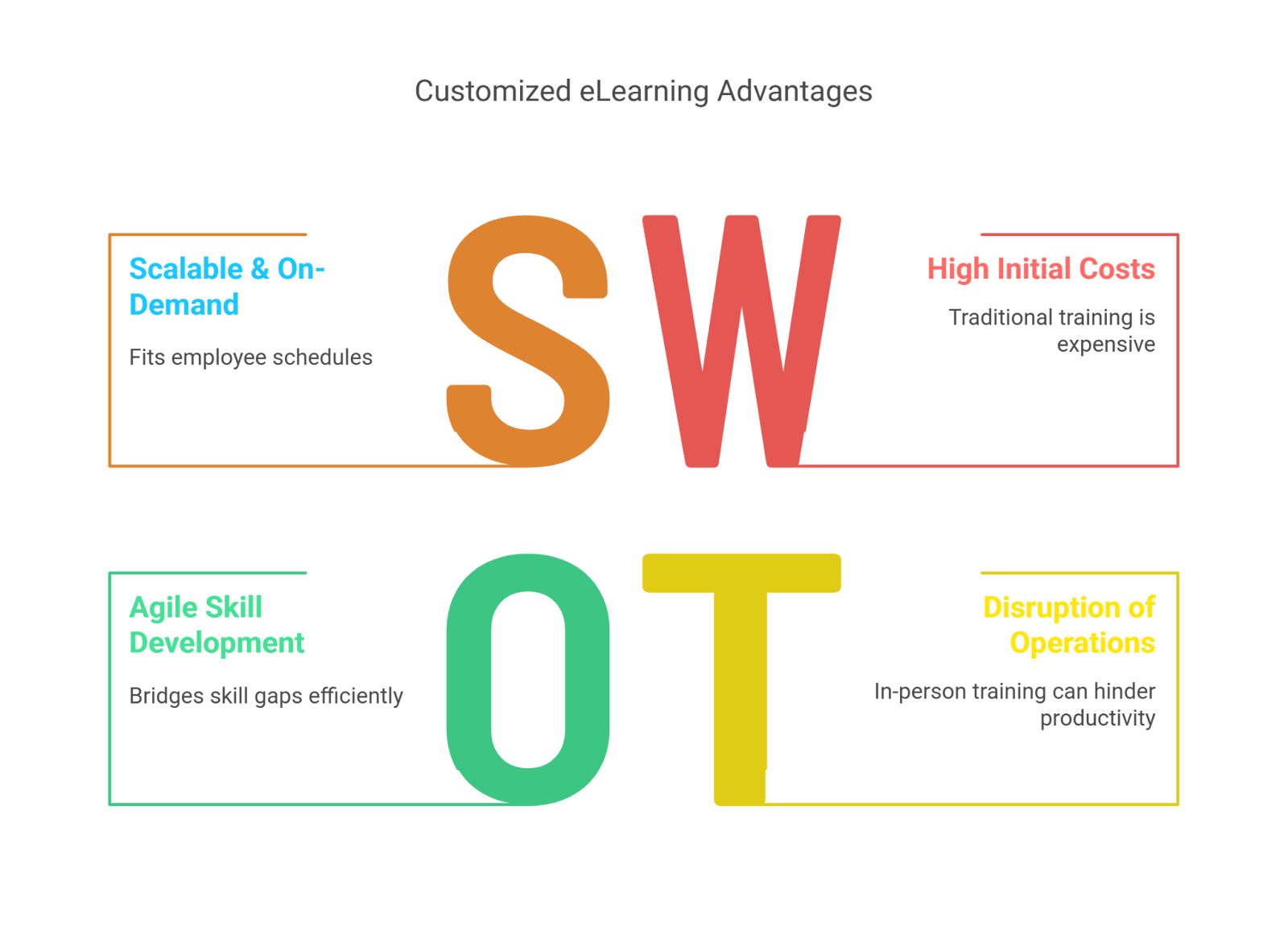
Traditional training often comes with a hefty price tag—think travel, venue costs, and time away from work. Scheduling conflicts and pulling teams off the floor for in-person sessions can disrupt operations and strain productivity. It’s a system that’s harder to justify in today’s fast-paced environment.
That’s where customized eLearning makes all the difference. According to the World Economic Forum and the eLearning Industry, digital learning platforms are a more innovative, agile way to bridge skill gaps and prepare teams for future demands without halting daily operations.
OMS delivers scalable, on-demand eLearning that fits into employees’ schedules, reduces downtime, and keeps your workforce future-ready.
Lower Earning Potential Without Upskilling in Refining
One of the biggest roadblocks to adopting new technologies like AI, automation, and data analytics is the insufficient skilled people to make it happen. Without the right expertise, even the most promising tools can go underused—stalling innovation and lowering returns on investment.
The Training Industry highlights that modern eLearning trends, like AI-powered personalization and adaptive learning platforms, are key to closing these gaps. They don’t just teach—they engage and build agile, future-ready teams.
With targeted courses in AI-driven optimization, automation, and data analytics, OMS helps professionals keep pace and gives companies the talent edge to lead transformation.
The Risk of Falling Behind in a Competitive Industry
Continuous learning isn’t just a nice-to-have—it’s essential for maintaining safety and meeting regulatory requirements in fast-changing industries. As technologies evolve and standards tighten, staying current with protocols and best practices helps reduce risk and keep operations running smoothly.
Creating a culture of ongoing learning means compliance becomes second nature. It helps teams avoid costly missteps and ensures that safety isn’t compromised. ELearning Industry highlights that continuous development empowers employees to stay sharp, adaptable, and informed.
OMS supports this with training programs built to reinforce safety, meet regulatory demands, and keep teams confidently prepared for whatever comes next.
Closing the Refining Skills Gap with Targeted Training Solutions
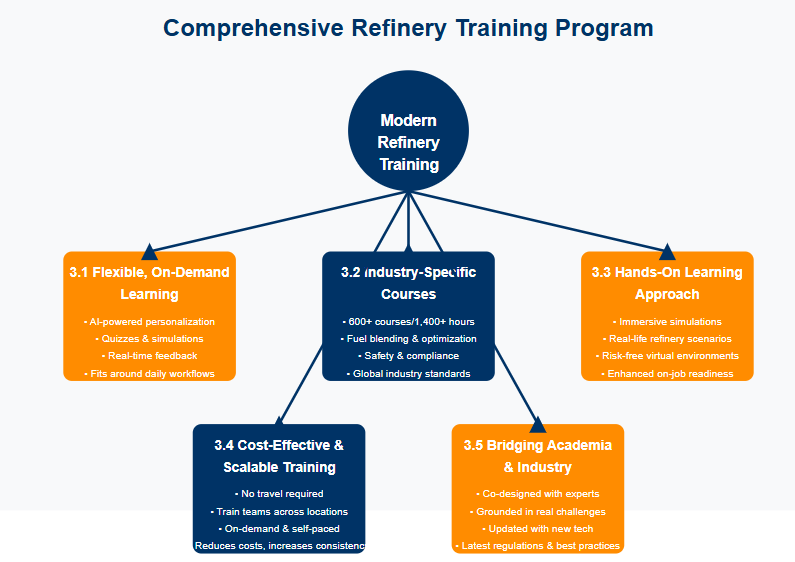
Flexible, On-Demand Learning for Refinery Professionals
As remote and hybrid work become the new normal, one thing is clear: Professionals need training that works around their schedules, not the other way around. That’s where generative AI makes a real difference. It delivers personalized, on-demand learning that fits each individual’s pace, preferences, and progress.
Interactive modules—like quizzes, simulations, and instant feedback—keep the experience engaging, no matter where someone works. The best part? They don’t interrupt daily workflows, making continuous learning natural and manageable.
So here’s a question: Is your current training setup flexible enough to support a modern, distributed workforce?
Refining-Specific Courses That Address Real-World Needs
Looking to build deep, industry-relevant skills without stepping away from the job? OMS has you covered. With a library of over 600 refining-focused courses and 1,400+ hours of expert-validated content, our eLearning Academy is designed specifically for engineers, operators, and managers working in the downstream sector.
From fuel blending and process optimization to safety standards and environmental compliance, the curriculum covers the basics and the advanced—aligned with global industry standards. You choose the topic, and you learn at your own pace.
How do you keep your skills sharp in such a fast-changing industry? OMS gives you the tools to stay current, compliant, and ahead of the curve—on your schedule.
Simulation-Based Training for On-the-Job Application
How do you turn theory into real-world results? At OMS, learning should go beyond watching videos or reading slides. Our training integrates interactive simulations, case studies, and real-life refining scenarios to bring concepts to life.
You’ll face virtual challenges modeled after actual plant operations—making critical decisions, troubleshooting issues, and applying skills in a risk-free environment. This hands-on approach doesn’t just help you understand the material—it helps you retain and use it where it matters most: on the job.
Want to boost on-the-ground performance while learning? OMS’s experiential training ensures that you’re ready to apply what you learn from day one.
Scalable and Cost-Effective Workforce Development
Looking to train more people without stretching your budget or disrupting operations? That’s where OMS comes in.
Our eLearning solutions are designed to be both cost-effective and scalable, making it easy for companies to upskill large teams—no travel, no scheduling headaches, and no repeated instructor sessions. With courses on demand, professionals can learn at their own pace, wherever they are, and without stepping away from critical day-to-day work.
How do I get consistent training across a global workforce without the usual logistical barriers? OMS makes investing in your people simple, efficient, and impactful without compromising productivity.
Bridging the Gap Between Academic Theory and Refining Practice
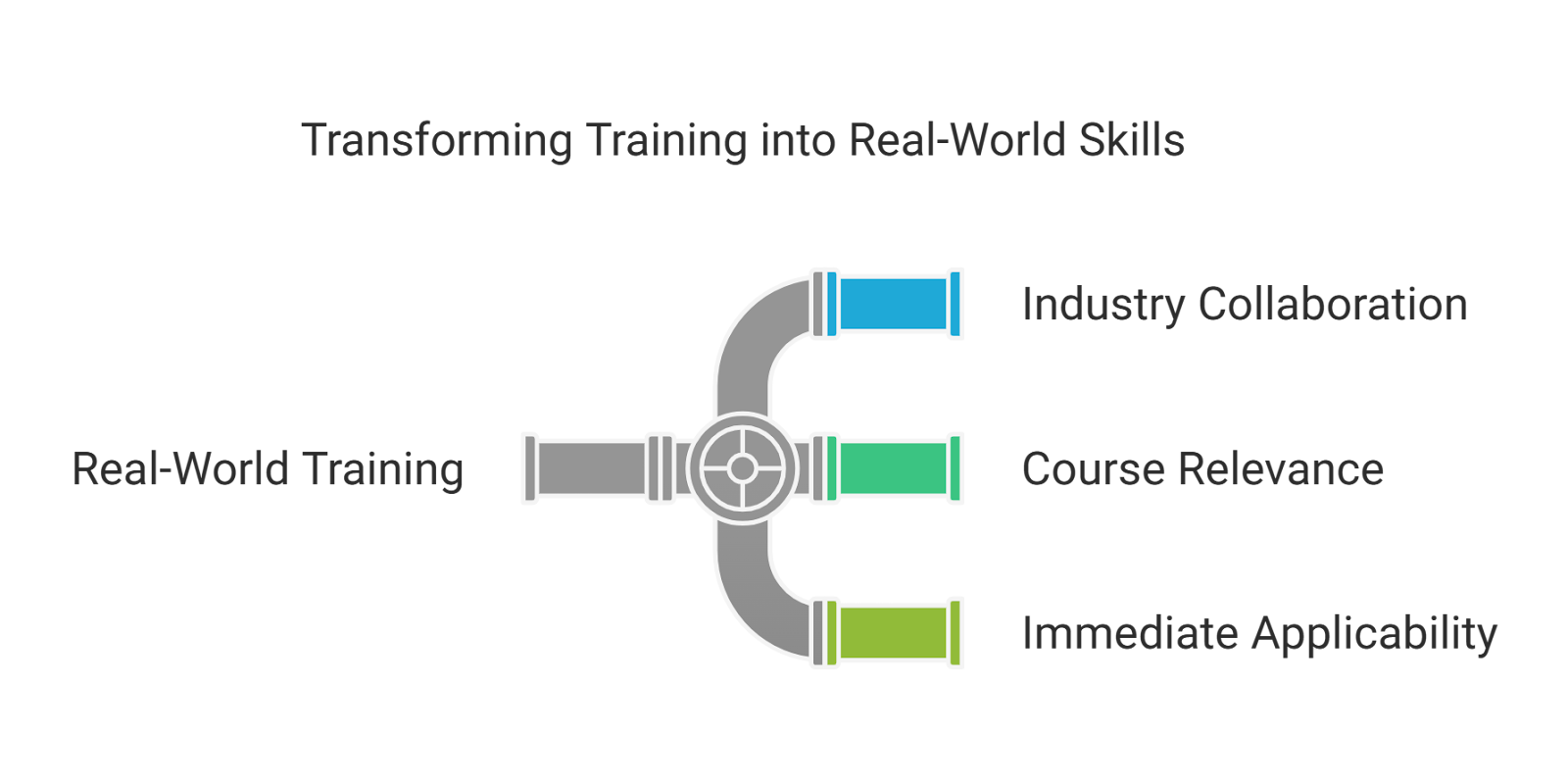
How do you ensure training isn’t just theory but something your team can use on the job?
OMS tackles that head-on by working with industry experts, engineers, and thought leaders to design every course. That means the content isn’t just based on academic concepts—it’s grounded in real-world refining challenges, technologies, and best practices.
Because we stay closely connected to what’s happening in the field, our courses are regularly updated to reflect the latest innovations and compliance standards. The result? Relevant and immediately applicable training gives your team the confidence and capability to perform from day one.
Conclusion: The Time to Upskill Is Now
The refining industry is undergoing rapid transformation driven by digitalization, automation, and sustainability goals. Professionals who actively pursue skill development will shape the future—those who don’t risk falling behind. OMS eLearning Academy stands at the forefront of this evolution, equipping individuals and organizations with the targeted, practical knowledge needed to adapt and excel in today’s competitive environment.
Don’t wait for change to force your hand—take control of your career growth. Upskill today with OMS eLearning Academy and lead the way in the future of refining.